Darknet Markets 2026:
The dark web is part of the deep web but is built on darknets: overlay networks that sit on the internet but which can't be accessed without special tools or software like Tor. Tor is an anonymizing software tool that stands for The Onion Router — you can use the Tor network via Tor Browser.
| Darknet Market | Established | Total Listings | Link |
|---|---|---|---|
| TorZon Market | 2022 | 140+ | Onion Link |
| Nexus Market | 2024 | 600+ | Onion Link |
| Abacus Market | 2022 | 100+ | Onion Link |
| Ares | 2026 | 100+ | Onion Link |
| Cocorico | 2023 | 110+ | Onion Link |
Updated 2026-10-26
Easy Entry to Private Darknet Markets
A direct link to a specialized darknet platform functions as a critical gateway, bypassing standard web filters and providing immediate entry into a curated commercial ecosystem. These platforms are engineered for discrete trade, operating on networks like Tor or I2P which obscure user location and identity. The architecture of a reputable market is inherently decentralized, enhancing resilience against external disruptions and ensuring continuous service availability for procurement.
Access is secured through cryptographic protocols, where a valid .onion or .i2p address acts as a unique identifier. Users must verify the authenticity of these links via trusted community directories to avoid phishing attempts. Once inside, the interface presents a structured environment where product listings are categorized, searchable, and accompanied by detailed vendor profiles. This direct access eliminates intermediaries, fostering a more efficient connection between consumer and supplier within a framework designed for transactional privacy.
How Crypto and Encryption Make Darknet Trades Safe and Private
The operational foundation of a modern darknet market is built upon two technological pillars: cryptocurrency and encryption. These are not optional features but essential requirements that enable the market's core functions of privacy and secure transaction finality.
Cryptocurrencies like Monero (XMR) and Bitcoin (BTC) serve as the payment layer. Their decentralized nature allows for peer-to-peer value transfer without the involvement of traditional financial institutions. This provides a significant degree of financial privacy for both buyer and vendor. Monero, in particular, is prioritized on leading platforms due to its enhanced obfuscation of transaction details, making flows of funds substantially more difficult to trace compared to the transparent Bitcoin blockchain.
Encryption technology secures all communications and operational data. This is implemented through:
- Transport Layer Security (TLS) for securing the connection between a user's browser and the market website.
- PGP (Pretty Good Privacy) encryption for all sensitive messaging, such as shipping addresses. A user's address is encrypted with the vendor's public PGP key, meaning only that specific vendor can decrypt and view the information, not the market administrators.
The combination creates a secure environment for commerce. A transaction proceeds when a buyer places funds into a market-controlled escrow. The encrypted shipping details are sent to the vendor. Upon confirmation of delivery, the escrow is released. This process, secured by cryptography, minimizes trust requirements between anonymous parties and facilitates a reliable exchange of goods for digital currency.
Easy-to-Use Darknet Shopping
The modern darknet market prioritizes a streamlined user experience to facilitate efficient and secure commerce. Interface design directly influences a platform's reliability and user retention. A well-organized dashboard presents clear categories, a functional search bar, and intuitive navigation menus, allowing users to locate specific products or vendors without unnecessary complexity.
This operational clarity extends to the transaction process. From cart addition to finalizing a purchase with escrow and cryptocurrency, each step is designed for minimal friction. Key information, such as vendor ratings, shipping details, and product descriptions, is presented consistently and accessibly. A clean interface reduces user error, which is critical for maintaining transaction security and personal anonymity.
The integration of essential features into the interface is a mark of a professional platform. Users can typically access:
- Real-time order tracking and messaging systems
- Integrated PGP encryption tools for secure communication
- Transparent feedback and review sections for each vendor and product
- Wallet and financial transaction histories
This focus on a coherent and efficient interface demonstrates a market's commitment to operational stability. It reduces the technical barrier to entry, allowing users to conduct their activities with greater confidence and precision, which in turn supports the overall market stability and trustworthiness of the ecosystem.
How Ratings Build Trust for Safer Darknet Purchases
Vendor rating systems form the operational backbone of trust within a darknet market. These systems transform subjective user experience into quantifiable, public data, creating a self-regulating environment where vendor reputation is directly tied to commercial success. A high rating is not merely a badge; it is a continuously audited performance record.
The typical structure aggregates feedback across several critical parameters:
- Product quality: Consistency and accuracy of the product versus its advertisement.
- Shipping speed and stealth: Efficiency of logistics and the professionalism of packaging.
- Communication: The vendor's responsiveness and clarity in resolving issues.
This multi-faceted scoring allows buyers to make informed decisions based on historical data. A vendor with a long history of positive reviews establishes a reliable track record, reducing the perceived risk for new customers. The system inherently penalizes poor service or scams, as negative reviews are prominently displayed and severely impact future sales. This creates a powerful economic incentive for vendors to maintain high standards, fostering a marketplace where trust is algorithmically enforced through collective user verification.
How Escrow Makes Buying on the Darknet Safer
Escrow services are a fundamental component of secure transactions on a darknet market. They function as a neutral third party that holds the buyer's cryptocurrency payment until the order is successfully delivered and confirmed. This mechanism directly addresses the inherent trust deficit in anonymous environments. When a user finds a reliable darknet market link, the presence of a robust, automated escrow system is a primary indicator of the platform's legitimacy and its commitment to transactional security.
The process is systematic. After a buyer places an order, funds are locked in escrow and are not immediately released to the vendor. The buyer then waits for the product to arrive. Upon receipt, the buyer finalizes the order, which releases the escrowed funds to the vendor. If the product does not arrive or is significantly not as described, the buyer can open a dispute. During a dispute, a market moderator will review communication and evidence from both parties before adjudicating the release of funds. This system creates a balanced environment where vendors are incentivized to provide quality products and reliable shipping, as they only receive payment upon successful completion, while buyers are protected from outright scams.
The integration of escrow with vendor rating systems enhances overall market stability. A vendor with a long history of successfully completed escrow transactions builds a high trust score. This allows reputable vendors to eventually qualify for finalize early status, where trusted buyers can release funds before delivery, speeding up the vendor's capital flow. Therefore, a reliable darknet market link provides not just a listing of products, but a structured economic ecosystem where escrow mitigates risk, enforces accountability, and fosters a more predictable and secure trading environment for all participants.

A Huge Selection of Products on the Darknet
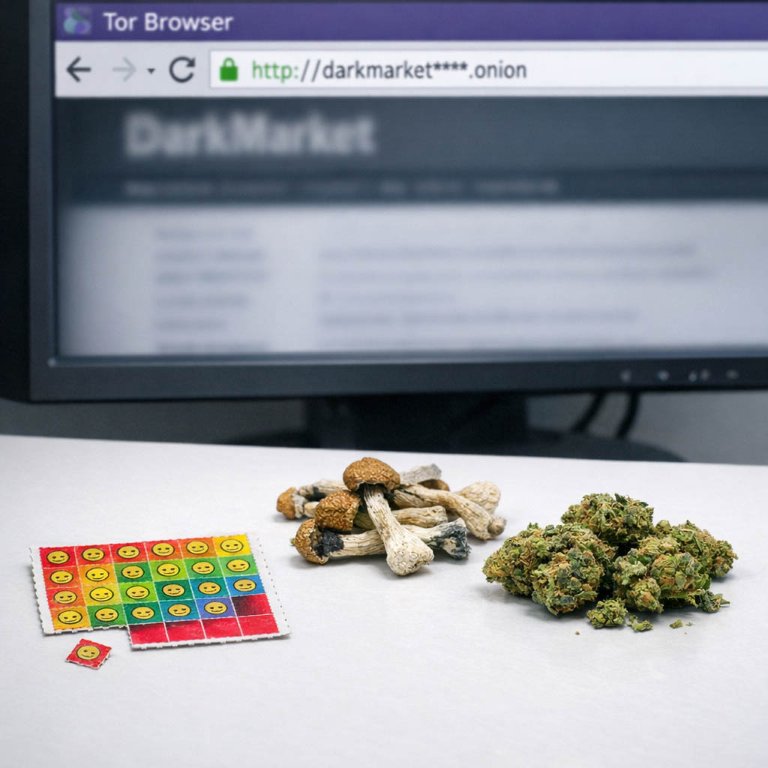
The product diversity on a modern darknet market is a primary driver of its utility and user retention. Unlike conventional e-commerce, these platforms aggregate a global supply chain for substances that are otherwise difficult or impossible to source reliably. A user can find everything from pharmaceutical-grade stimulants and psychedelic compounds to botanical products and precursor chemicals. This extensive catalog is systematically organized into categories and subcategories, mirroring the structure of legitimate online retailers.
This variety serves a practical economic and harm-reduction purpose. It allows for direct comparison of product purity, vendor reputation, and price points across a competitive landscape. For instance, a researcher seeking a specific compound can evaluate multiple listings based on detailed vendor profiles, historical feedback, and analytical results often posted by buyers. The availability of diverse products fosters a market where quality and service are incentivized, as vendors compete within and across product niches. Common categories include:
- Stimulants, including various amphetamine and cathinone derivatives.
- Psychedelics, such as lysergamides, tryptamines, and phenethylamines.
- Dissociatives, opioids, and benzodiazepines.
- Pre-synthesized chemicals and growing kits for botanicals.
The breadth of available products indicates a mature ecosystem with specialized producers and distributors. It provides consumers with choice, enabling them to select substances that align with their specific requirements for potency, duration, and effect profile. This environment, supported by escrow services and rating systems, transforms procurement from a high-risk street transaction into a standardized process focused on product consistency and transactional security.
How Privacy Makes Shopping on the Darknet Safe
The operational foundation of a modern darknet market is its commitment to user anonymity and privacy. This is not an optional feature but a core architectural requirement. Platforms achieve this through a mandatory combination of Tor network access and integrated end-to-end encryption for all communications. The Tor network obfuscates a user's IP address and physical location by routing traffic through a distributed series of relays, making direct tracing exceptionally difficult.
This technical infrastructure is complemented by operational policies that minimize data exposure. Reputable markets enforce:
- Strict no-logging policies for user activity and transaction metadata.
- The use of cryptocurrency tumblers or built-in coin mixing services to break the chain of transactions on the blockchain.
- Encrypted messaging systems between buyers and vendors, preventing market administrators from reading sensitive order details.
The result is a trading environment where personal identifiers are systematically separated from financial and commercial activities. This layered approach to privacy directly enables secure shopping by reducing the risks of exposure and fostering a climate where users can engage in transactions with a significantly reduced footprint. The reliability of a market is intrinsically linked to its proven ability to maintain these privacy protocols consistently over time.

How Darknet Markets Stay Stable and Reliable
Market stability in a darknet context is a function of consistent operational security and financial predictability. A reliable platform maintains consistent uptime and defends against distributed denial-of-service attacks, which directly correlates with user access and transaction completion rates. This technical reliability underpins all economic activity.
The economic model itself promotes stability. The widespread use of cryptocurrency escrow services creates a trusted transaction framework. Funds are held by a neutral third party until the buyer confirms receipt and quality of the product, which mitigates fraud and builds systemic trust. This mechanism aligns vendor success with honest conduct.
User-generated vendor rating systems provide a transparent, crowd-sourced metric for reliability. Detailed feedback on product purity, shipping speed, and stealth packaging allows for informed purchasing decisions. High-rated vendors are incentivized to maintain quality, as their market position and sales volume depend on it. This creates a self-regulating ecosystem where reputation is a primary asset.
Platform administrators contribute to stability by enforcing rules against product misrepresentation and by facilitating dispute resolution. This governance, while minimal, ensures that the marketplace functions as a consistent and predictable environment for commerce. The result is a resilient platform where the risks associated with trade are systematically managed and reduced.