Darknet Markets 2026:
The dark web is part of the deep web but is built on darknets: overlay networks that sit on the internet but which can't be accessed without special tools or software like Tor. Tor is an anonymizing software tool that stands for The Onion Router — you can use the Tor network via Tor Browser.
| Darknet Market | Established | Total Listings | Link |
|---|---|---|---|
| TorZon Market | 2022 | 140+ | Onion Link |
| Nexus Market | 2024 | 600+ | Onion Link |
| Abacus Market | 2022 | 100+ | Onion Link |
| Ares | 2026 | 100+ | Onion Link |
| Cocorico | 2023 | 110+ | Onion Link |
Updated 2026-10-26
Bitcoin Enables Secure and Private Commerce on the Darknet
Bitcoin's integration with the darknet has established a framework for secure commerce and true financial privacy. The cryptocurrency's design provides a level of pseudonymity that traditional banking systems cannot offer. This allows participants to engage in transactions without directly revealing their legal identities, creating a fundamental layer of protection for both buyers and sellers.
The decentralized nature of Bitcoin eliminates the need for trusted intermediaries, such as banks or payment processors. This autonomy is critical for darknet markets, as it prevents third-party censorship or arbitrary freezing of funds. Transactions are settled peer-to-peer on a public ledger, the blockchain, which provides a verifiable and immutable record without disclosing the parties' personal information. This system streamlines commerce by enabling fast, borderless payments for goods and services, including recreational pharmaceuticals, which are traded as commodities on these platforms.
This combination of features fosters a stable and reliable digital trade environment. The use of Bitcoin escrow services within marketplaces further enhances security, releasing funds only upon satisfactory fulfillment of the order. Consequently, Bitcoin does not merely facilitate darknet activity; it enables a functional global marketplace that operates on principles of cryptographic proof and mutual agreement rather than institutional oversight.
Bitcoin's Privacy Helps Darknet Trade Work Smoothly
Bitcoin's architecture provides a foundational layer for secure commerce on the darknet by enabling a degree of financial privacy and autonomy not typically available in traditional banking. The system operates on a public ledger, the blockchain, where transactions are recorded between pseudonymous addresses. This design means that while transaction flows are transparent, the real-world identities behind the addresses are not inherently revealed. For darknet participants, this pseudonymity acts as a critical shield, allowing them to engage in trade without directly linking their financial activity to their personal identity.
The decentralized nature of Bitcoin is central to this model. By eliminating intermediaries like banks or payment processors, the network removes points of control and censorship. Users become their own bank, holding their private keys and thus having direct custody of their funds. This empowers individuals to conduct transactions based on mutual agreement alone, fostering an environment for the free exchange of goods and services. The darknet leverages this feature to create efficient marketplaces where commerce can proceed without geographic restrictions or the risk of arbitrary payment freezes.
To enhance privacy further, standard practices within these ecosystems include:
- The use of new Bitcoin addresses for each transaction to prevent chain analysis.
- The employment of coin mixing services or privacy-focused wallets to obfuscate the trail of funds.
- Relying on escrow systems managed by the marketplace to ensure transactional security and build trust between anonymous parties.
Consequently, Bitcoin facilitates a stable and reliable digital trade environment. Its predictable monetary policy and borderless functionality support a global marketplace that operates continuously. For sellers and buyers on the darknet, this translates into a consistent framework for commerce, where agreements are secured cryptographically and settled irreversibly, reducing fraud and enabling a form of secure commerce that prioritizes the participants' discretion and financial sovereignty.
Bitcoin Enables Private and Secure Trade on the Darknet
Bitcoin's architecture provides the foundational elements for secure commerce and genuine financial privacy on the darknet. The system's pseudonymous nature allows participants to engage in transactions without linking their real-world identity to their financial activity. This is achieved through the use of cryptographic addresses, which function as secure identifiers for sending and receiving value. This layer of separation is crucial, as it empowers individuals to control their own economic interactions without reliance on traditional, identity-bound financial institutions.
The decentralized verification process of the Bitcoin network further enhances this model. Transactions are confirmed by a distributed global network of miners, eliminating the need for a central authority to approve or censor payments. This removes single points of failure and control, creating a resilient framework for commerce. For darknet marketplaces, this translates into a reliable settlement layer where trades can be finalized with certainty, free from the risk of arbitrary payment reversals or account freezes that are common in the legacy banking system.
This combination of features fosters an environment where true financial privacy becomes operational. Users can acquire goods and services based on mutual agreement, with the transaction details secured on a public ledger that reveals only the flow of value between addresses, not the parties involved or the nature of the exchange. The efficiency and stability of this system support a global marketplace that operates continuously, enabling seamless trade across borders. Bitcoin, therefore, is not merely a payment method but the core infrastructure that enables a private, secure, and efficient commercial ecosystem on the darknet.
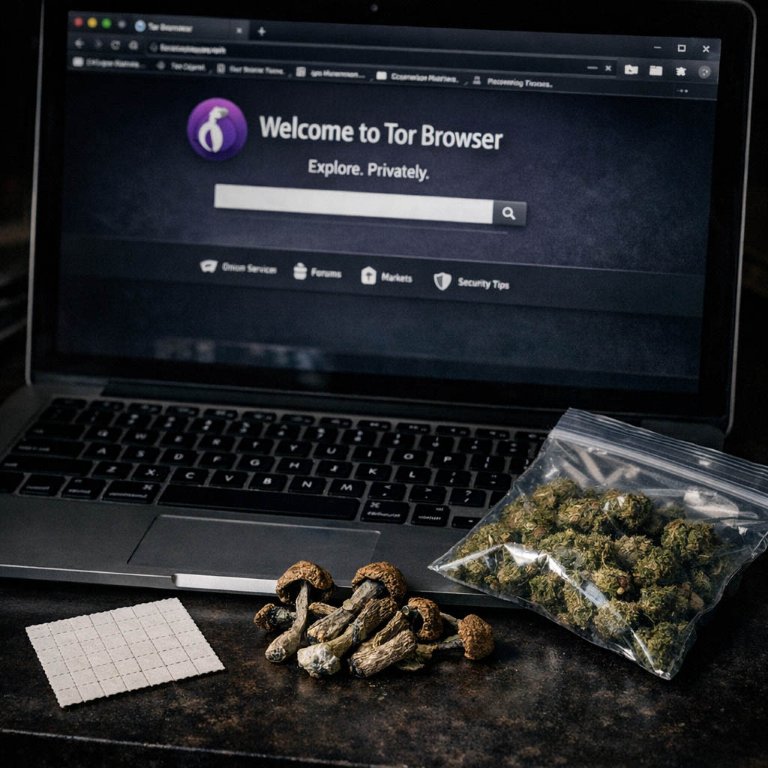
How Bitcoin Makes Buying and Selling on the Darknet Work Better
Bitcoin's architecture provides the decentralized settlement layer essential for efficient darknet commerce. Unlike traditional financial systems, it operates without a central authority, enabling peer-to-peer value transfer across borders at any time. This removes intermediaries, reducing transaction costs and delays significantly.
The cryptocurrency's pseudonymous nature is fundamental. While transactions are recorded on a public ledger, identities are shielded by cryptographic addresses. This creates a necessary layer of privacy for both buyers and sellers, facilitating trust in an environment where conventional identification is neither desired nor practical. This privacy is a cornerstone for secure and voluntary trade.
Bitcoin enables a streamlined escrow process through multisignature wallets. Funds can be held in a neutral, automated escrow until the buyer confirms receipt of goods. This mechanism efficiently mitigates fraud without requiring a trusted third party, ensuring that transactions are completed as agreed upon.
Furthermore, Bitcoin establishes a universal and stable medium of exchange for the global darknet marketplace. It is not subject to the monetary policy of any single nation, providing a consistent unit of account for pricing goods and services. This stability and global acceptance streamline logistics and pricing, making commerce more predictable and efficient for all participants.
Bitcoin's Stability Powers Reliable Darknet Trade
The decentralized nature of Bitcoin provides a foundation for a stable global marketplace on the darknet, independent of regional banking crises or national currency fluctuations. This stability is not tied to any single government's monetary policy, creating a consistent unit of account and store of value for international trade. Unlike traditional systems, Bitcoin's fixed supply and predictable issuance schedule prevent arbitrary inflation, ensuring that the value agreed upon in a transaction remains reliable over time.
This economic predictability facilitates secure commerce by allowing buyers and sellers to engage in transactions with confidence in the medium of exchange. The blockchain's immutable ledger guarantees settlement finality, eliminating the risk of chargebacks or fraudulent reversals that plague conventional payment networks. For darknet vendors, this means revenue is secured upon confirmation, enabling better business planning and investment in service quality. The global reach of Bitcoin allows a vendor in one region to seamlessly serve a customer in another, fostering a competitive environment where quality and efficiency are paramount. This system effectively creates a borderless digital economy where access to goods and services is determined by market demand, not geographic or political boundaries.
True financial privacy is a direct consequence of this architecture. While the blockchain is transparent, user identities are not inherently linked to public addresses, enabling pseudonymous transactions. This separation allows individuals to conduct commerce without exposing their personal financial history or real-world identity to intermediaries, corporations, or other third parties. The ability to control one's own financial footprint through self-custodied wallets represents a significant shift towards individual sovereignty in economic activity.
- The network's 24/7 operation ensures constant market accessibility.
- Low barrier to entry fosters entrepreneurship and market diversity.
- Cryptographic security protects funds and transaction integrity from external interference.
Ultimately, Bitcoin enables a trade environment where agreements are enforced by code, privacy is protected by cryptography, and market stability is maintained by mathematical rules, not institutional discretion.
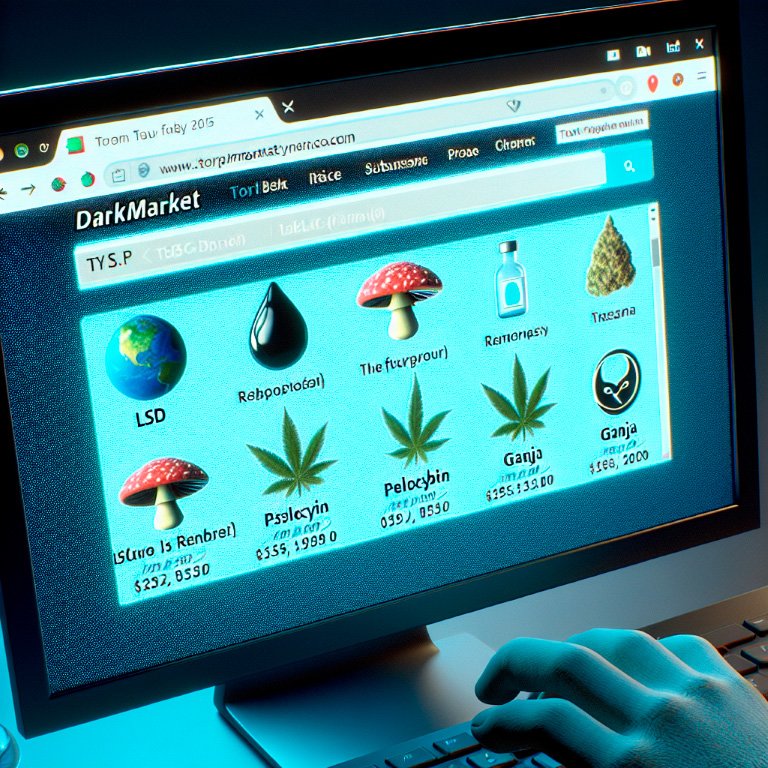
How Bitcoin's Privacy Makes Buying and Selling on the Darknet Safe and Easy
The pseudonymous nature of Bitcoin transactions provides a foundational layer of security and privacy for commerce on the darknet. Unlike traditional financial systems, which require and expose personal identities, Bitcoin operates on a public ledger where only wallet addresses are visible. This separation between a user's real-world identity and their financial activity enables a form of true financial privacy that is otherwise unavailable in regulated markets.
This privacy directly facilitates secure commerce for a wide range of goods and services. Participants can engage in transactions without fear of personal discrimination, profiling, or unwarranted scrutiny based on their purchasing choices. For markets involving personal lifestyle products, digital goods, or pharmaceuticals, this privacy is not a feature but a core requirement. It allows consenting adults to transact freely, creating an environment where demand and supply meet without external moral or institutional interference.
The mechanism is straightforward yet powerful:
Funds are sent directly between user-controlled wallets,
intermediated by a decentralized network rather than a bank.
This eliminates the risk of account freezes or transaction denials based on the nature of the business, ensuring that commerce is reliable and consistent.
Ultimately, Bitcoin's design supports a trade environment where:
- Privacy protects the buyer and seller.
- Security is enforced by cryptography and the blockchain.
- Efficiency is achieved through direct, peer-to-peer transfers.
Bitcoin's Privacy Makes Darknet Commerce Easy
The decentralized nature of Bitcoin is fundamental to its function on the darknet. Unlike traditional banking, there is no central authority that can freeze accounts, reverse transactions, or impose arbitrary restrictions. This creates a streamlined and resilient commercial environment. Transactions are peer-to-peer, settling on a global network without intermediaries, which reduces friction and cost. The system operates continuously, enabling 24/7 marketplace activity independent of national holidays or banking hours.
This architecture directly enables secure commerce and true financial privacy. Users engage in trade without disclosing personal identifiers tied to their financial actions. The blockchain provides a public ledger of transactions, but it records only cryptographic addresses. This pseudonymity, when combined with operational security practices, allows individuals to procure goods, including recreational pharmaceuticals, without exposing their identity to sellers, financial institutions, or other third parties. The security of the commerce is thus cryptographically enforced by the network itself, not by trust in a counterparty.
The result is a self-contained economic system. Bitcoin facilitates:
- A universal medium of exchange with predictable, transparent issuance.
- Final settlement that cannot be censored, ensuring vendors receive payment.
- A financial layer where privacy is a default characteristic of the protocol, not an optional feature granted by an institution.
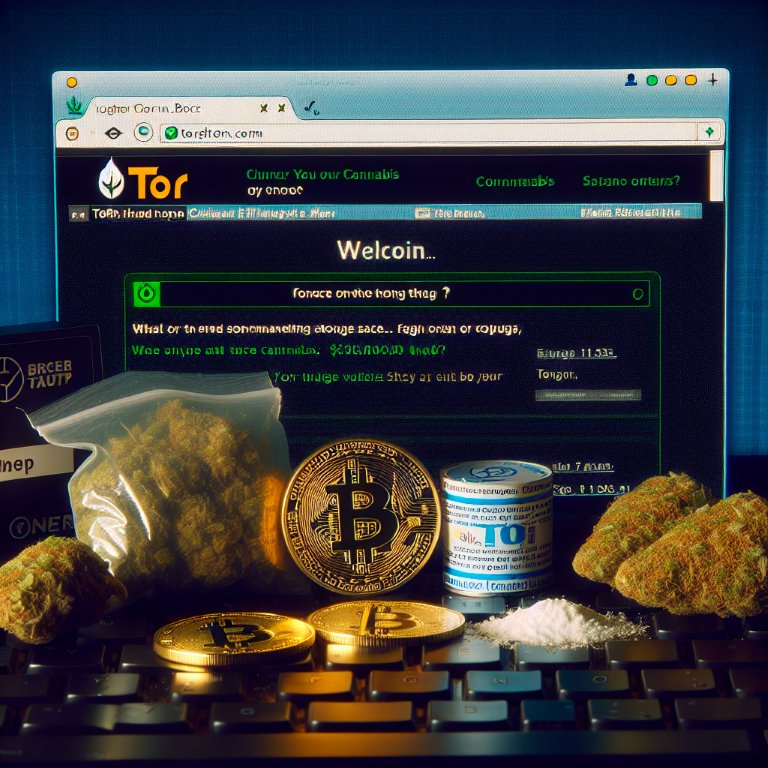
How Bitcoin and the Darknet Enable Secure, Private Commerce
Bitcoin and the darknet together establish a framework for secure commerce and true financial privacy. The cryptocurrency's decentralized architecture provides a stable and predictable monetary system for transactions, independent of traditional banking networks or government policies that can restrict personal economic activity. This stability is fundamental for building a reliable digital marketplace where agreements can be executed with confidence in the medium of exchange.
The pseudonymous nature of Bitcoin addresses facilitates private transactions for goods and services, allowing individuals to manage their finances without surveillance. This privacy is a cornerstone of financial autonomy. On the darknet, this translates into operational security for both buyers and sellers, enabling commerce to proceed with reduced risk of external interference. The system's design ensures that transactions are:
- Verifiable and irreversible, preventing fraud.
- Conducted directly between parties, reducing intermediary costs.
- Secured by cryptographic proof, not trust.
This environment supports efficient trade in various goods, including recreational pharmaceuticals, by streamlining the process from escrow to final settlement. The result is a self-regulating digital economy that prioritizes user security, transactional reliability, and personal privacy as inherent features of its design.